
If a swimming pool or an electric vehicle is anywhere in your plans, size your solar system for the home you are about to have, not the home your last twelve power bills describe.
A pool pump and an EV charger are the two largest loads a typical Florida homeowner ever adds, and both are unusually predictable — a pump runs on a schedule you choose, and a car consumes energy in proportion to the miles you drive. That predictability is a gift at design time: a competent installer can model both loads with real confidence and size the array once, rather than bolting on a second system later. This article explains what each load actually adds, why the usual sizing method quietly fails homeowners with upcoming lifestyle changes, how net metering bridges the timing gap between when solar produces and when these loads consume, and what to tell your installer so the system you sign for is the right one.
Most solar proposals start from your utility usage history: pull twelve months of kilowatt-hour consumption, model the roof’s production, and size the array so annual production lines up with annual consumption. For a household whose life is stable, that works well. It breaks the moment your future stops resembling your past.
Design from history alone and the new pool or the new car simply is not in the data. The system gets sized for yesterday’s house, the new load arrives, and a year later the homeowner is staring at power bills they thought solar had retired — not because the system underperformed, but because the target moved after the system was scoped. The fix is straightforward: bring every planned load into the design conversation on day one, with the same seriousness as roof orientation and shading.
Florida pools work harder than pools almost anywhere else, because the swim season is effectively year-round and so is the filtration season. The energy story has three parts:
Because the pump runs on a timer you control, a pool is also the friendliest large load solar ever meets: it can run in the middle of the day, exactly when your roof is producing. A pool pump scheduled for daylight hours consumes solar power as it is generated — production and consumption meet in real time on your own meter.
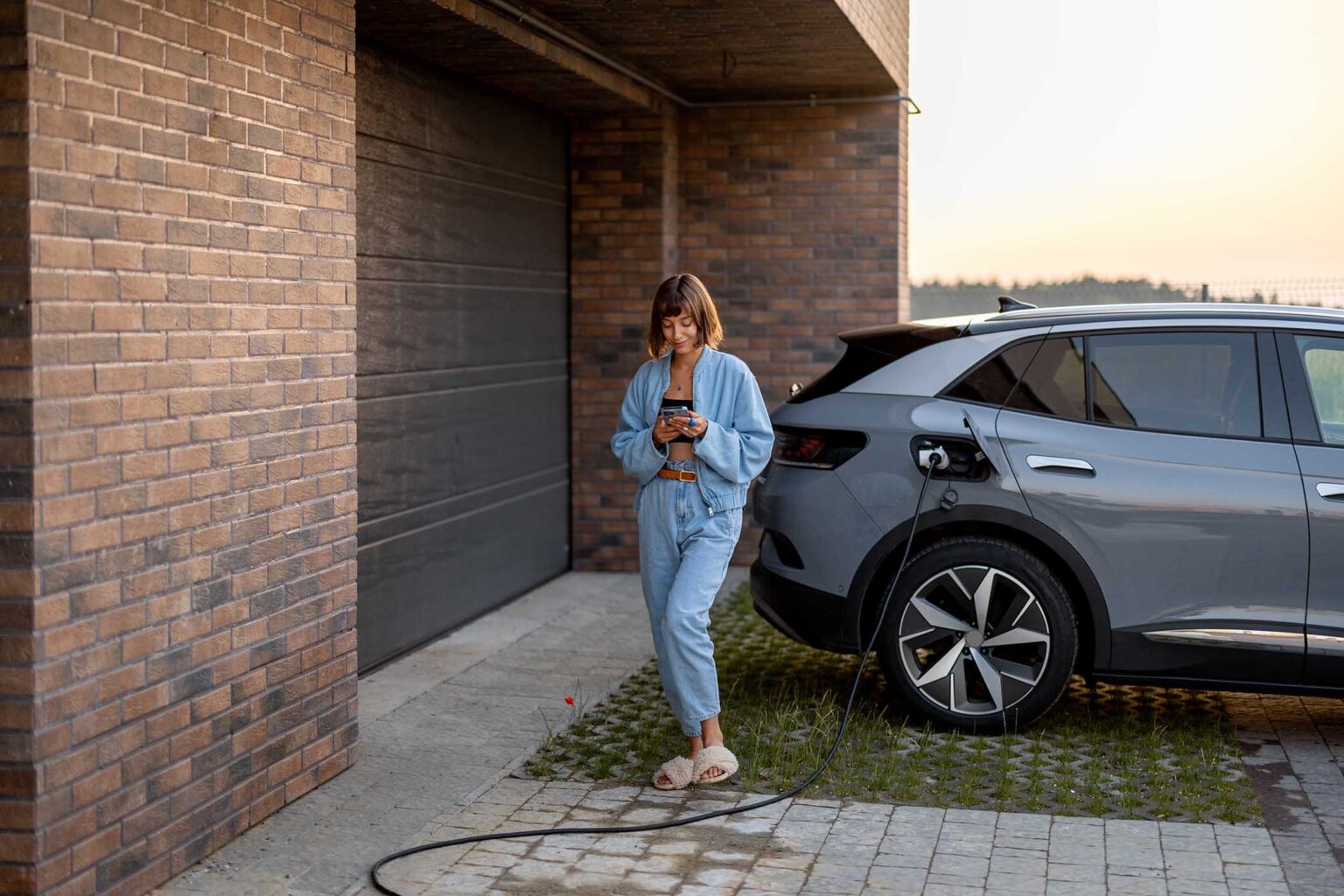
An electric vehicle’s appetite depends on one number you already know: how much you drive. Most EVs travel roughly three to four miles on a kilowatt-hour. Divide your annual mileage by that efficiency and you have a defensible estimate of the charging load. A typical Florida commuter pattern lands in the range of a few thousand kilowatt-hours a year — on the same scale as an older pool pump, and for two-car households considering two EVs, double it.
Two practical wrinkles matter more than the arithmetic:
Here is the honest complication: your roof produces at midday, and most EV charging happens overnight, after the driving day ends. A pool pump can be scheduled into the sunshine; a car mostly cannot, unless it sits home during the day.
This is exactly the gap net metering exists to bridge. Under the net metering rules at Florida’s large investor-owned utilities, surplus daytime production flows to the grid and earns credits that offset your consumption at other hours — including the overnight hours when the car drinks. The meter does the bookkeeping; your midday surplus effectively becomes your midnight charging. How the credits accrue and roll forward is utility-specific, and worth understanding before you sign anything — our FPL net metering guide walks through the mechanics at the state’s largest utility in detail.
Net metering is also why the sizing conversation should happen now rather than someday: today’s rules at the investor-owned utilities credit surplus generously, and systems are evaluated for interconnection under the rules in effect when they apply. Designing for known future loads while the framework is favorable is simple prudence — not a prediction about what regulators will do next.
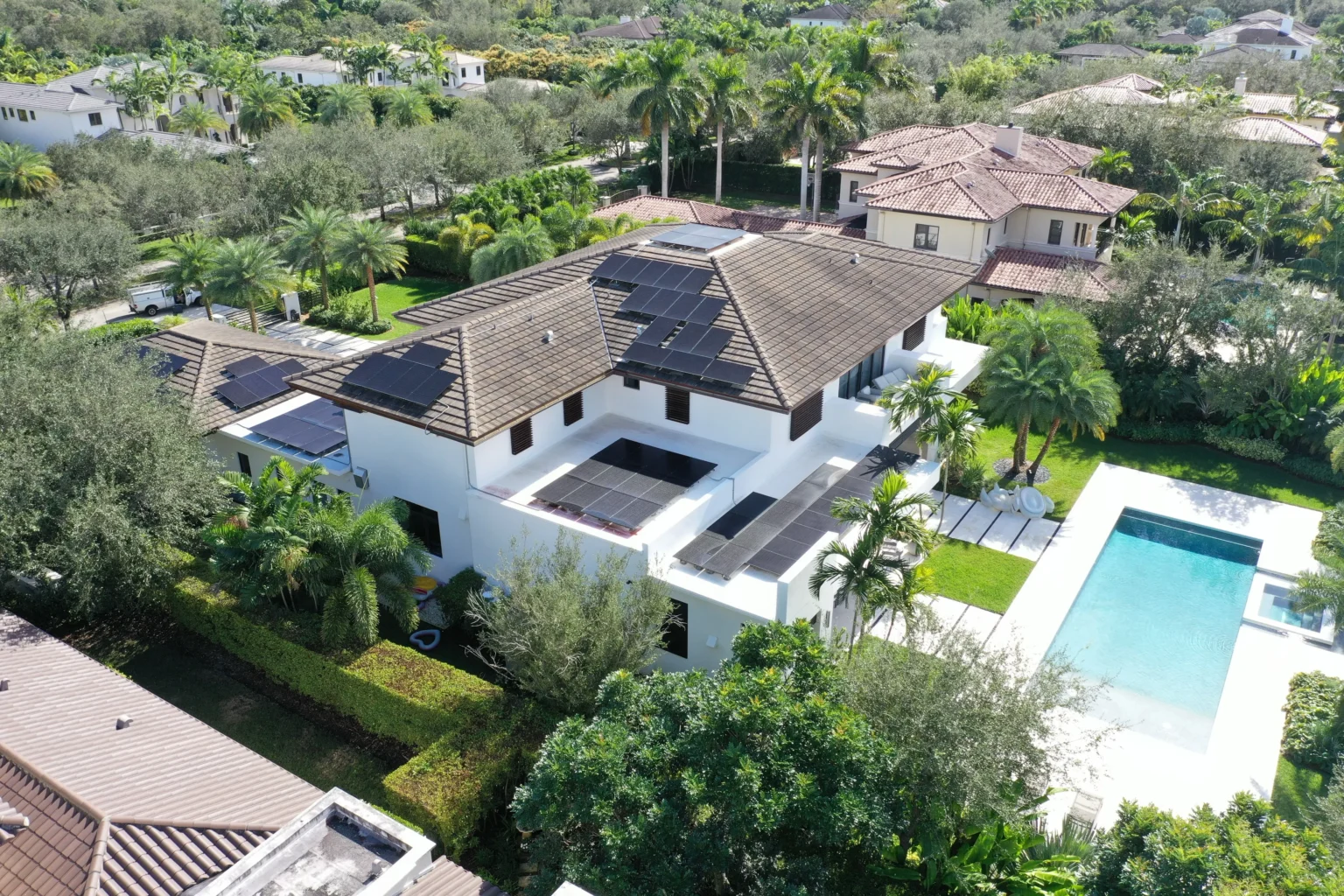
Homeowners sometimes ask whether they should install a smaller system now and “just add panels” when the pool or the car arrives. You can — but expansion is not the casual bolt-on it sounds like:
If the new load is genuinely speculative — a pool you might build someday — a reasonable middle path is to size for today but rough-in for tomorrow: conduit runs, inverter capacity, panel space, and breaker positions that make the future addition an afternoon’s work instead of a teardown.
A designer with those answers can model the future house, not the past one — and show you the assumptions in writing so the sizing logic is checkable rather than hand-waved.
Should I wait until the pool is built or the car is delivered to go solar? Not necessarily. If the plans are firm, designing for them now avoids running the permitting and interconnection gauntlet twice. Surplus production in the interim earns net metering credits rather than vanishing.
Can solar really cover an EV? Arithmetically, yes — a properly sized Florida roof can produce more than a typical commuter EV consumes in a year. Whether yours can depends on roof space, shading, and how much charging happens at home, which is precisely what a site-specific design answers.
Does an EV mean I need a battery? No. The car and a home battery solve different problems — the EV is transportation; a home battery is backup power and energy management for the house. Net metering, where available, does much of what a battery would do for daily load-shifting. Batteries earn their keep for outage resilience — a separate conversation worth having on its own merits.
My pool already exists — is it too late to do this right? Not at all. An existing pool shows up in your usage history, so standard sizing already captures it. The bigger opportunity is operational: moving the pump schedule into daylight hours aligns your largest controllable load with your production window, and upgrading an aging single-speed pump shrinks the load itself.
For the broader questions — permits, insurance, hurricanes, costs — start with our Florida Solar FAQ, or see the full 2026 economics picture in our guide to whether solar is still worth it in Florida.
Pools and EVs are the two loads most likely to make yesterday’s power bills a bad blueprint for tomorrow’s solar system — and, happily, the two loads easiest to see coming. Bring the plans to the design table, estimate the home-charging share honestly, schedule the pump into the sunshine, and let net metering carry your midday surplus to your midnight charging. Size the system once, for the house you are actually going to live in. If you want a design that models your real future loads — pool, cars, and all — we will build the production model for your specific roof and show you the assumptions line by line.
Get a free solar assessment sized for the home you’re planning.

About the author: Joe Cataldo is the CEO of Goldin Solar, LLC, a Vero Beach, Florida–based solar installation company serving homeowners and businesses across the state. He holds a Florida Certified Solar Contractor license (CVC57300) and a Florida Certified Electrical Contractor license (EC13013985), both issued by the Florida Department of Business and Professional Regulation. Joe personally oversees system design standards and code compliance on Goldin Solar projects.