

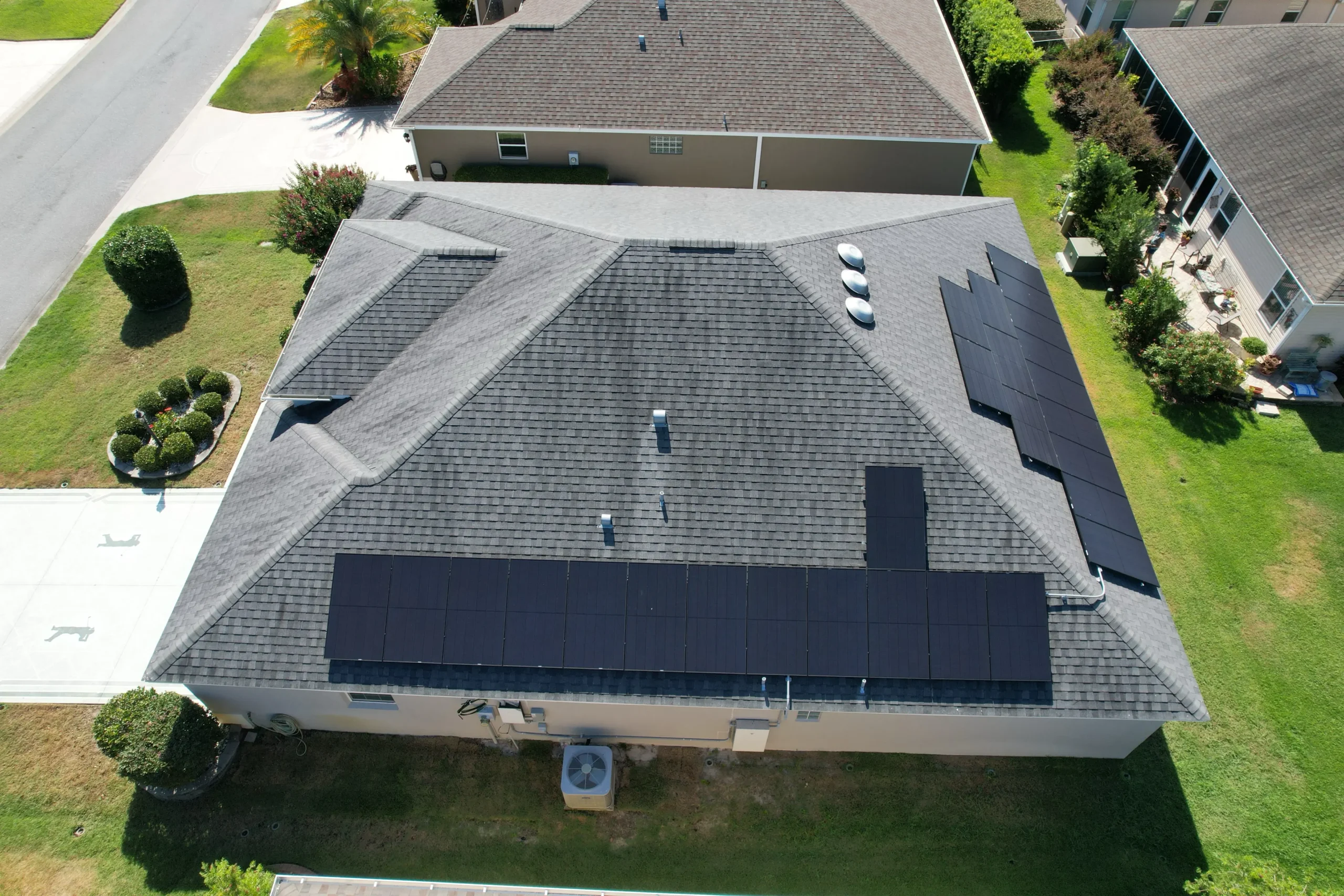
After your solar panels are installed in Florida, an inspector from your local building department (or a licensed private provider) checks that the system matches the approved permit plans and meets the electrical and building codes. They look at how the array is attached to the roof, how the wiring is run and protected, the disconnects and the shutdown system, the connection to your electrical panel, grounding, and the required warning labels. Once the system passes, your utility can review it, update your meter if needed, and give permission to turn it on.
This article walks through what the inspector actually looks at, what you as the homeowner need to do on inspection day, what happens if something needs a correction, and what comes after the inspection passes. Every city and county runs its process a little differently, so treat this as a general guide, not a promise about your specific jurisdiction.
A rooftop solar system is two things at once: a structure fastened to your roof and an electrical system connected to your home and to the utility grid. Both are covered by the Florida Building Code, which includes the electrical code that applies to solar. That is why almost every solar installation in Florida needs a building permit, and every permit ends with an inspection.
The inspection is the local government’s check that the work was done the way the approved plans said it would be, and that it meets code. It protects you, it protects future owners of your home, and it protects the utility line workers and firefighters who may one day work near your system. It is also a required step before your utility will let you turn the system on. If you want the full picture of the permit side, read our post on how long Florida solar permits really take.
In most cases, the inspector works for the building department of the city or county that issued your permit. That office is often called the authority having jurisdiction, or AHJ. Some large counties and cities have their own electrical and building inspectors; smaller towns may share inspectors or contract the work out.
Florida law also lets a property owner or contractor hire a licensed private provider to do plan review and inspections instead of the local building department’s own inspectors. The building department still keeps oversight of the permit. Some installers use private providers in some jurisdictions to keep projects moving; others use the local inspectors. Either way, the same codes apply.
This is one of the places where jurisdictions differ the most. Some building departments do a single final inspection after everything is installed. Others require more than one visit, such as:
Some departments accept photos of hidden work, such as roof attachments, taken by the installer during the job instead of a separate visit. Your installer should know what your building department requires and schedule the inspections for you.
On the roof side, the inspector is mostly confirming that the array was built the way the engineered plans show it. Typical items include:
Some inspectors go up on the roof; others inspect from a ladder, from the ground, or from installer photos, depending on the roof and the department’s policy. Your installer will usually have a crew member or a ladder on site if the inspector needs one.
The electrical inspection is usually the bigger part of the visit. The inspector is checking that the system is safe to operate and safe to work on. Common items include:
A surprising number of inspection corrections come down to labels. The electrical code requires specific warning labels and placards on solar equipment: on disconnects, on the electrical panel where the solar connects, on conduit carrying solar wiring, and at the rapid shutdown switch. A placard or directory is often required near the main service so anyone working on the home can see that there is a solar system and where its disconnects are.
These labels are there for the next electrician and for first responders. An inspector will check that the right labels are present, readable, durable enough for outdoor use where needed, and in the right places. A careful installer treats labeling as part of the job, not an afterthought.
If your system includes a home battery, the inspector will look at that too. Battery systems have their own requirements for where they can be installed, how much clearance they need, how they are mounted, and how they are labeled. If the battery backs up certain circuits in your home, the inspector may also check the backup panel or transfer equipment and how it is wired. For more on how batteries fit Florida homes, see our comparison of generator vs. battery backup for Florida hurricanes.
Your installer handles scheduling and usually meets the inspector, but there are a few things the homeowner often needs to help with:
Inspection windows are often broad, such as a morning or an afternoon, and some departments give little notice of the exact time. Ask your installer what window to expect.
Failed inspections happen, even with good installers. Sometimes it is a real installation issue; sometimes it is a missing label, a plan detail the inspector reads differently, or simply no access to the panel on the day. The inspector leaves a correction notice that lists what needs to change. The installer fixes the items and schedules a re-inspection.
What matters is how the installer handles it. A good installer explains what the correction was, fixes it at no charge to you when it was their work, and gets the re-inspection on the calendar. It is fair to ask a prospective installer how they handle failed inspections before you sign.
Passing the building inspection does not mean you can turn the system on yet. The utility has its own process. Once the building department signs off, your installer typically submits the final paperwork to your utility. The utility reviews it and, in many cases, replaces or reprograms your meter so it can record energy flowing in both directions. When that is done, the utility gives what is often called permission to operate.
Only then should the system be turned on for normal use. Your installer will usually come back or walk you through start-up and the monitoring app. If you are curious how the system then shows up on your bill, our guide on how solar shows up on your electric bill in Florida explains it.
The utility step works differently at different utilities, including the large investor-owned utilities, municipal utilities, and electric cooperatives. Your installer should know your utility’s process and keep you updated.
There is no single answer. Some building departments can inspect within days of a request; others are busier. Correction notices and re-inspections add time, and so do storms and holidays. The utility step after the inspection has its own timing too. A good installer will give you a realistic picture for your city or county and tell you when something is waiting on the building department or the utility rather than on them. We cover the whole permit timeline in our Florida solar permit guide.
Do I need to be home for the solar inspection? Often yes, if the inspector needs access to the electrical panel, the garage, or the attic. Ask your installer what your building department requires.
Can I turn my solar system on after it passes inspection? Not yet. Wait until your utility gives permission to operate. Your installer will tell you when.
What is the most common reason a solar inspection fails? It varies by jurisdiction, but missing or incorrect labels, details that do not match the approved plans, and access problems are common and usually quick to fix.
Does the inspector check how much power the system will make? No. The inspection is about safety and code compliance, not production.
Will I need inspections later for maintenance? Routine care does not usually need a permit. Changes to the system, such as adding panels or a battery, usually do. See our guide to solar panel maintenance and cleaning in Florida.
For more Florida-specific answers on permits, HOAs, batteries, and storms, see our Florida Solar FAQ.
The inspection is the step that turns a finished install into an approved, code-compliant system. The inspector checks the roof attachments, the wiring, the disconnects and rapid shutdown, the connection to your panel, grounding, labels, and any battery, all against the approved plans. Your part is mostly access and patience. After the inspection passes, your utility completes its own review and gives permission to turn the system on. A good installer runs this whole process for you, explains any corrections plainly, and keeps you posted until the system is running. If you would like a Florida-licensed team to handle the design, permit, inspection, and utility steps for your home, we are happy to help.
Get a free, no-pressure solar assessment for your Florida home.

About the author: Joe Cataldo is the CEO of Goldin Solar, LLC, a Vero Beach, Florida–based solar installation company serving homeowners and businesses across the state. He holds a Florida Certified Solar Contractor license (CVC57300) and a Florida Certified Electrical Contractor license (EC13013985), both issued by the Florida Department of Business and Professional Regulation. Joe personally oversees system design standards and code compliance on Goldin Solar projects.